The Tech Twitter Grift: How Clueless Influencers Are Polluting Engineering Discourse
There’s a big problem in modern tech circles, and it's not just the usual corporate nonsense or overhyped trends. The real issue?
The Tech Twitter Grift: How Clueless Influencers Are Polluting Engineering Discourse
There’s a big problem in modern tech circles, and it's not just the usual corporate nonsense or overhyped trends. The real issue? A massive influx of unqualified “influencers” shaping discourse on software engineering, cloud computing, and DevOps—all while having zero real-world experience.
If you’ve spent any time in tech Twitter, you’ve seen it. Some random person with a blue check and a high follower count spews absolute nonsense about systems architecture, AI, or DevOps, only to have an army of equally clueless followers nod along in agreement. These aren’t actual engineers—they’re professional shitposters who stumbled into tech discourse and figured out that pretending to be an expert was an easy way to farm engagement.
The Problem with Tech Twitter’s “Experts”
They Have No Real Experience
Most of these influencers have never built, deployed, or managed any serious infrastructure. They wouldn’t know how to spin up an AWS Lambda function if their life depended on it. These people don’t know IT. They don’t know networking. They just know how to regurgitate buzzwords.
Many of them are bootcamp grads who never progressed beyond frontend JavaScript but now act like they have deep insight into AI, distributed systems, and cloud security.
They Misrepresent the History of Tech
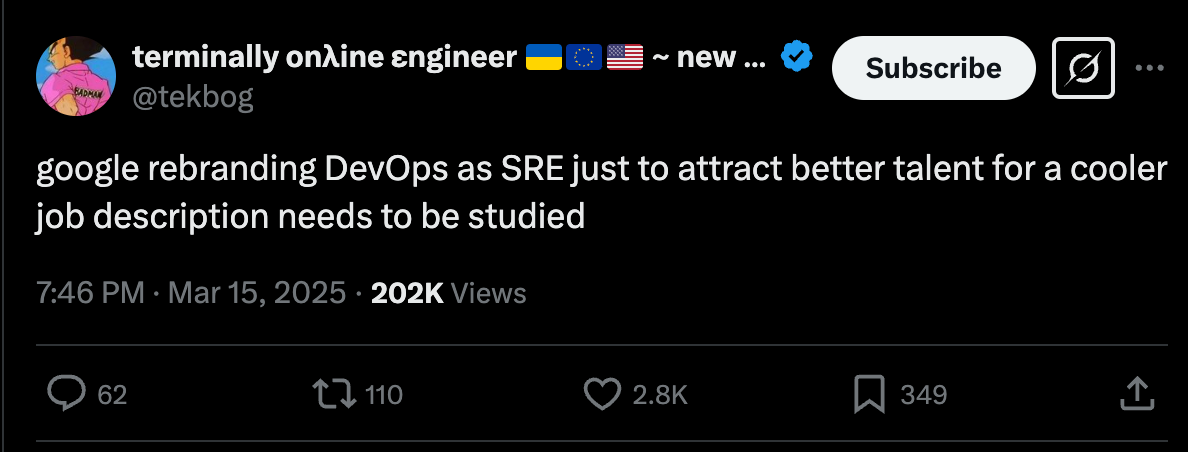
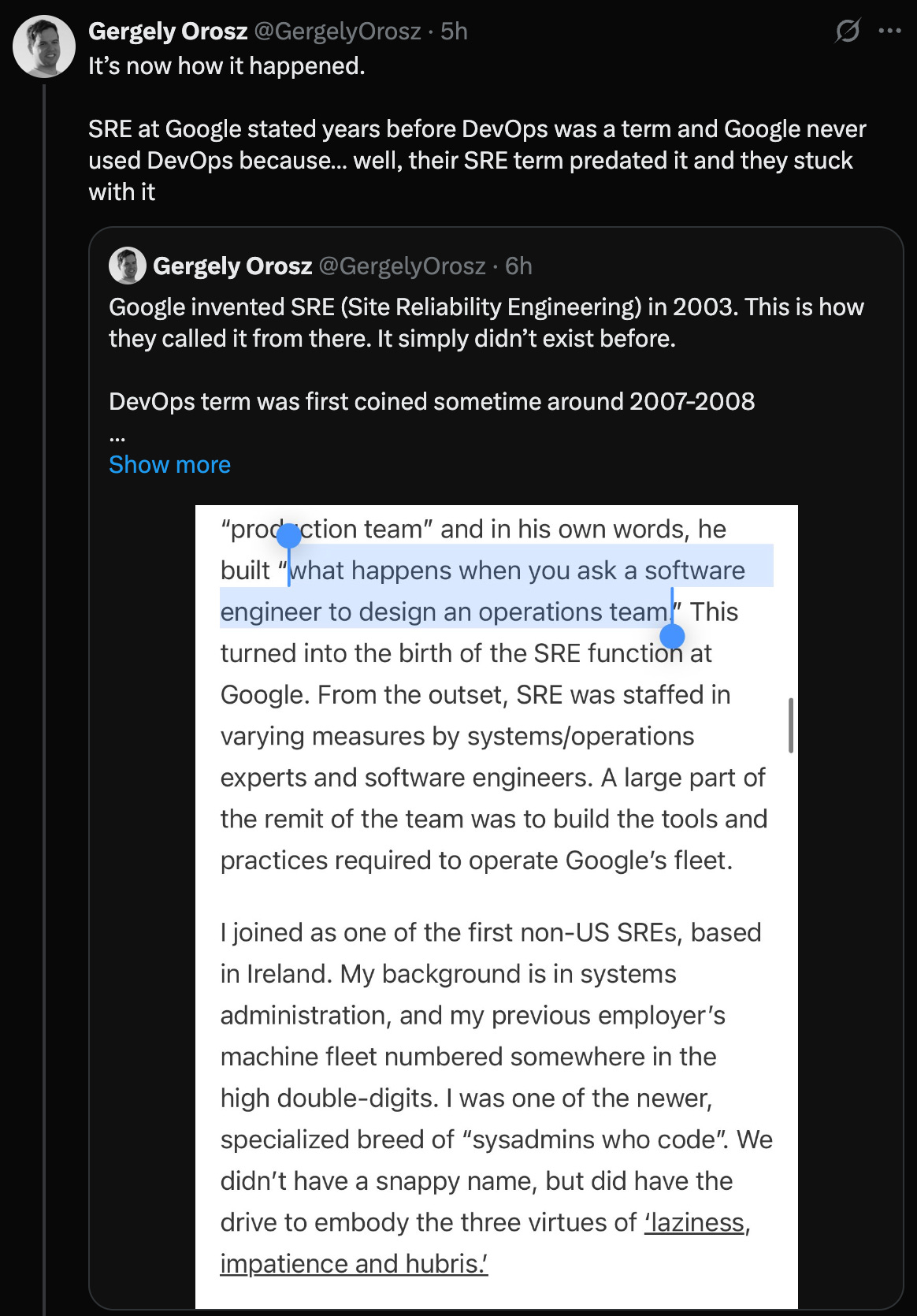
Take the recent argument about DevOps vs. SRE (Site Reliability Engineering). Some guy with a bunch of followers claimed Google rebranded DevOps into SRE to attract better talent. Completely false.
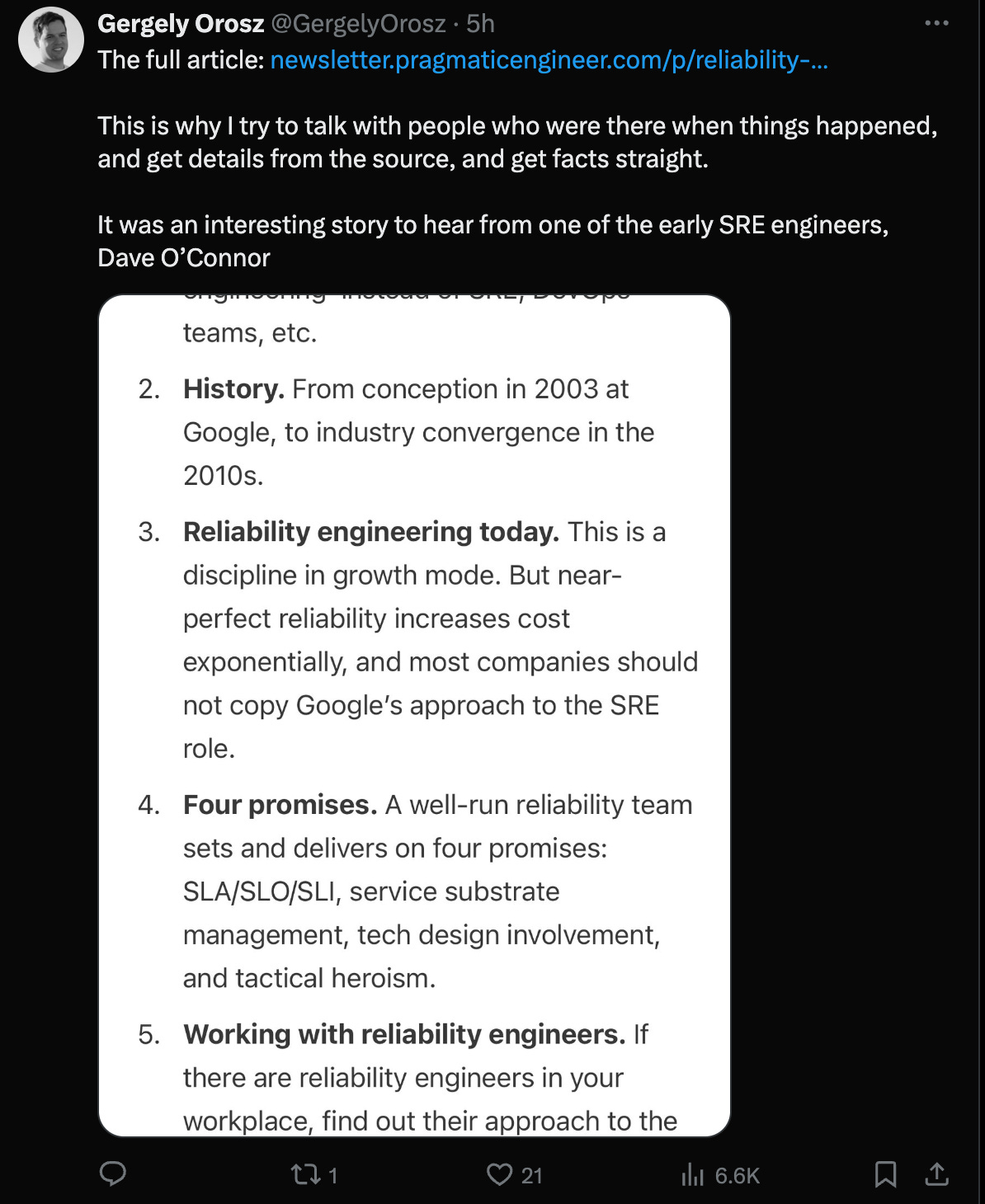
Google literally coined the term SRE in 2003, long before “DevOps” became a trendy buzzword in the early 2010s.
DevOps itself was just a rebranding of Linux system administration and deployment automation, yet somehow, people with no historical context are rewriting history to fit their engagement farming goals.
They Jump Into Topics They Don’t Understand
These influencers started in frontend JavaScript or basic CRUD app development but think high follower counts give them the authority to speak on cloud computing, Kubernetes, networking, AI infrastructure, and security.
They use vague, surface-level explanations full of buzzwords and memes, and because most of their audience is equally clueless, they get away with it until someone who actually knows their stuff calls them out.
They Farm Engagement for Clout Instead of Providing Real Knowledge
The COVID Engineer Effect: Why This Is Happening Now
The reason we’re seeing this flood of uninformed takes is because of a new class of engineers who entered tech during COVID.
The 2020-2022 Tech Hiring Boom
When companies overhired in 2021-2022, many people got into tech without having to build foundational skills.
Remote work made it easier for people with minimal experience to get hired into big tech and startups.
These engineers never had to deal with networking, Linux sysadmin work, or cloud infra—just writing React components and API calls.
The Tech Crash and Pivot to Thought Leadership
When the market crashed in 2023-2024, many of these engineers got laid off.
Instead of reskilling, they pivoted to becoming tech influencers.
They started manufacturing takes about AI, DevOps, and cloud—despite never having worked in those fields.
The Result? A Misinformed Tech Culture
Now, actual engineers have to waste time correcting bad takes instead of pushing the field forward.
These grifters drown out real conversations with engagement-bait nonsense.
Hiring managers start trusting bad advice, leading to even worse hiring decisions.
The Solution: Filter Out the Noise
If you’re a real engineer who cares about your craft, you need to be careful about who you listen to.
Here’s how to spot a tech Twitter grifter:
✅ They’ve actually built real systems → Do they have a Linkedin? Can you even see any work x coworkers they had are they anime PFP larpers.
✅ They have deep technical explanations → Can they break down Kubernetes networking, database replication, or AI model optimization beyond surface-level takes?
✅ They don’t just chase engagement → Are they actually contributing knowledge, or just making low-effort contrarian takes?
✅ They correct themselves when wrong → Do they acknowledge mistakes, or do they double down on bad takes?
If someone fails these tests, don’t listen to them.
Final Thoughts
The modern tech discourse is full of clueless influencers pretending to be engineers, and it’s making everyone dumber. If you actually care about your craft, stop listening to these people and start learning from real engineers who actually build things.
📌 Real engineering is about problem-solving, not engagement farming. 📌 Knowing how to write JavaScript doesn’t mean you understand cloud, DevOps, or AI. 📌 History matters—don’t let these people rewrite it for clout.
If you’re serious about staying ahead, follow people who actually know what they’re talking about—not the latest tech Twitter grifter who’s just in it for the dopamine hits.
🚀 Want to learn from real engineers? I write about AI, blockchain, DevOps, and cloud infra—things I’ve actually built. Subscribe to my blog and stay ahead of the noise.