 Quincy Labs
Remembering the Stadium of the Future
When I heard Bankless talk today about stablecoins as the “AWS moment for money,” I can’t help but think: I was living this ten years ago.
At VenueNext (later Shift4 Payments), our mission was simple but insanely difficult: reimagine the live event experience by rebuilding its entire payments stack. If you’ve ever been in a stadium, arena, or theme park, you know how chaotic it is: thousands of people all trying to order food, buy merchandise, or upgrade seats at the same time. The old systems weren’t designed for that kind of scale.
VenueNext changed that by integrating every fragmented backend system into one digital platform. What we built was more than mobile ordering—it was the first real taste of what “programmable money” looks like when it collides with physical venues.
The Early Days: Customization & Integration Hell
In the early stages, everything leaned toward custom development. Every team, venue, or restaurant wanted their own flavor of the app. But here’s the hard truth: integrations killed us.
Every POS was different. APIs broke overnight. A fix for one stadium broke another.
Custom native apps slowed us down. iOS App Store approvals, Android shell builds, Firebase configs—it was weeks of setup just to stand up one org.
Support became reactive. Engineers were constantly dragged into debugging third-party integrations instead of building product.
It was like being in the middle of a payments Tower of Babel.
Defining the Product
The breakthrough came when we stopped thinking of ourselves as a custom dev shop and started thinking like platform architects:
Mobile Ordering as Core → concessions, restaurants, and kiosks all feeding into the same rails.
Contactless Payments → scanning QR codes and paying without touching a POS.
Configurable Shells → one native iOS/Android wrapper that pulled configs from our backend (colors, menus, logos, mascots).
Rapid Web Deployments → during COVID, we could stand up online ordering for restaurants overnight, no app store required.
This shift—from bespoke builds to productized, configurable infrastructure—was my first education in how to scale payments.
Beyond Sports: Universality of Venues
What started with NFL and NBA stadiums at Levi’s and Amway quickly spread:
MLB ballparks → beer, hot dogs, and jerseys from your seat.
Theme Parks → ride reservations, concessions, and family bundle orders.
Universities → alumni events, donor dinners, and campus-wide ordering.
Hospitals & hospitality → patient room service, hotel kiosks, corporate cafés.
Churchill Downs & Kentucky Derby → race-day spikes, micro-windows for transactions
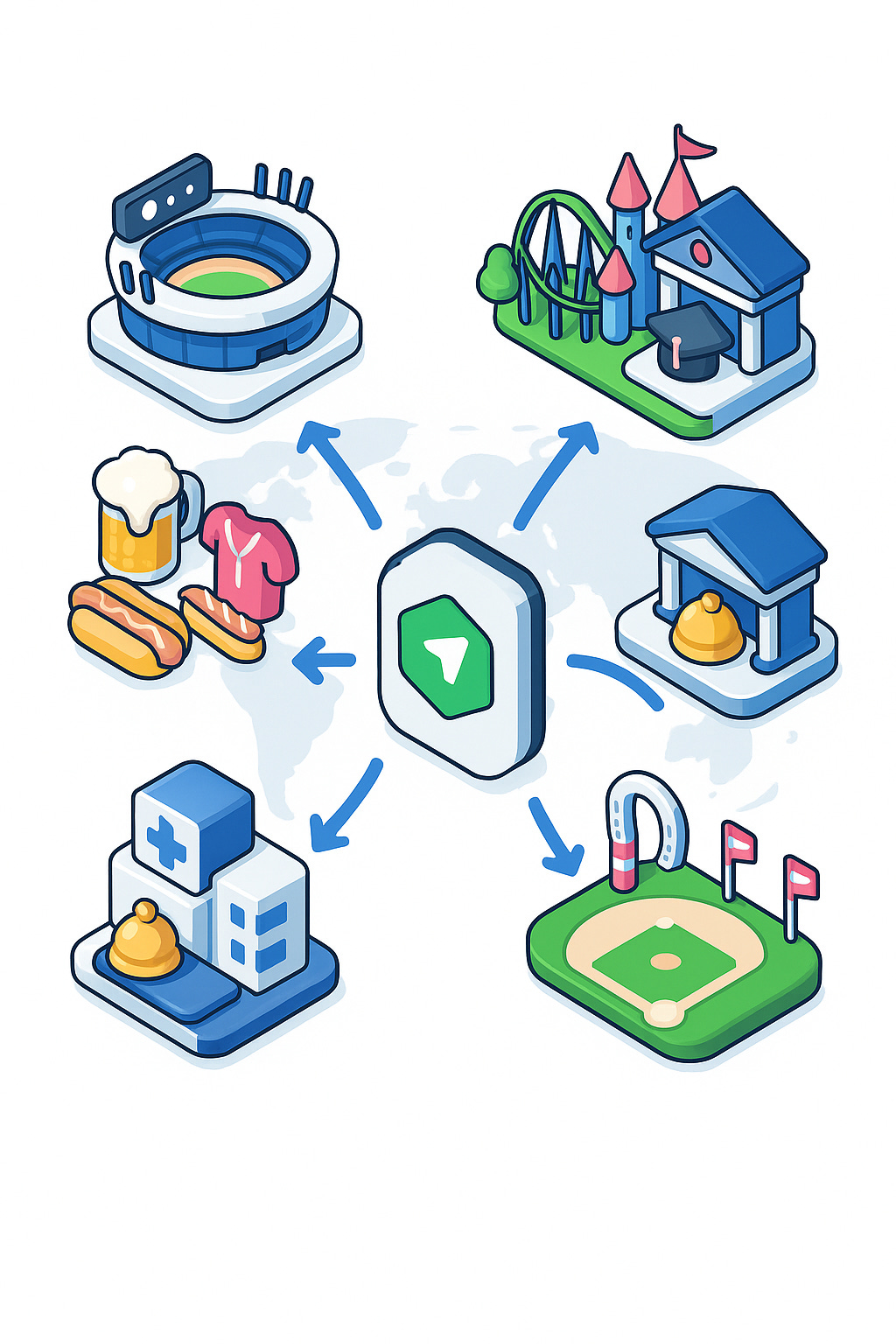
Every “venue” was just a node in a payments network, with its own quirks and transaction flows—but all facing the same need: integrated, real-time, data-driven payments.
The Fintech–Crypto Convergence
Bankless framed it well: fintech has evolved from building better APIs to re-architecting payments infrastructure. Stablecoins are the inflection point:
Stablecoins → programmable, global money.
Tokenized deposits → banks extending deposits on-chain.
CBDCs → central banks competing with private innovation.
Payment chains like Tempo, Arc want to be the “AWS moment for money.” I was solving similar orchestration problems at stadium scale—except now, instead of swiping cards inside a venue, we’re talking about swapping stablecoins across blockchains and jurisdictions.
Why Stablecoins Feel Familiar
Working in payments a decade ago taught me that neutrality, speed, and settlement finality are everything. That’s why stablecoins feel like déjà vu:
Real-time settlement = no clearinghouse delays, no batch processing.
Global reach = a ticket at Madison Square Garden or a food order in Singapore, all denominated in the same digital dollar.
Programmability = tips, refunds, royalties, and splits coded directly into the transaction
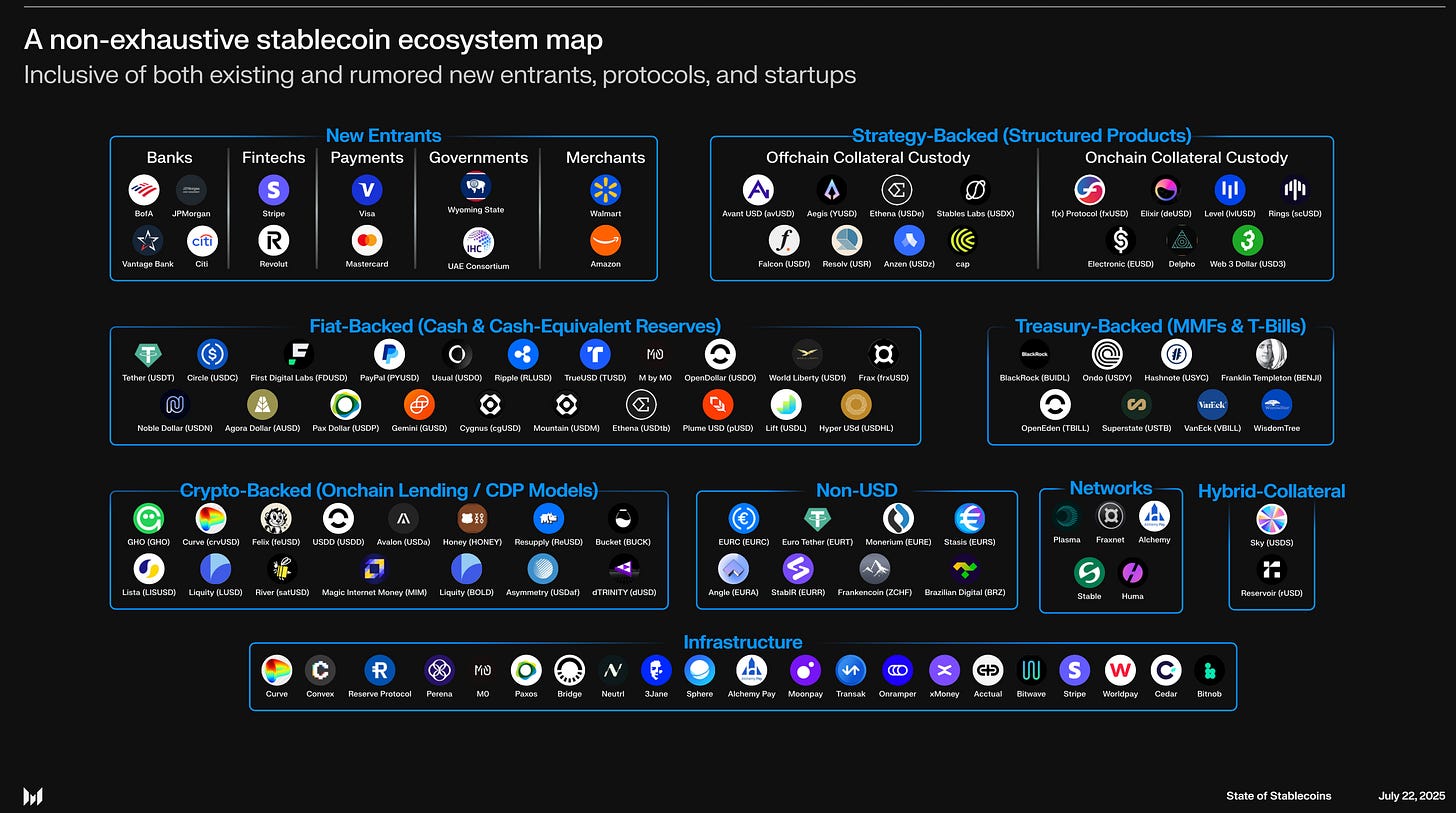
This is exactly what we were hacking together with closed systems—only now it’s open, composable, and chain-agnostic.
The Monmouth Vision: Building Agentic Stablecoin Infrastructure
That’s exactly what we’re building with Monmouth Chain. Think of it as the evolution of what I helped design at VenueNext—only instead of making sure 60,000 fans can buy beer at halftime, we’re ensuring billions of people can transact globally in real-time.
Stablecoins = the unit of account.
Agents = the new POS, router, and cashier rolled into one.
Monmouth = the venue where this all plays out, abstracting complexity while staying open and neutral.
Stablecoins are the hot dogs.
Agents are the vendors.
And the chain is the stadium.
The Next Leap: Agentic Stablecoin Infrastructure
But here’s the bigger vision: stablecoins are just the raw material. Agents are the architects.
Imagine a payments layer where AI agents manage stablecoin flows across chains and contexts:
A team’s payroll agent splits USDC into salaries, bonuses, and tax reserves in real-time.
A venue’s revenue agent routes concession payments to vendors, staff tips, and licensing royalties instantly.
A trader’s strategy agent arbitrages stablecoins across DEXs, liquidity pools, and synthetic treasuries without manual intervention
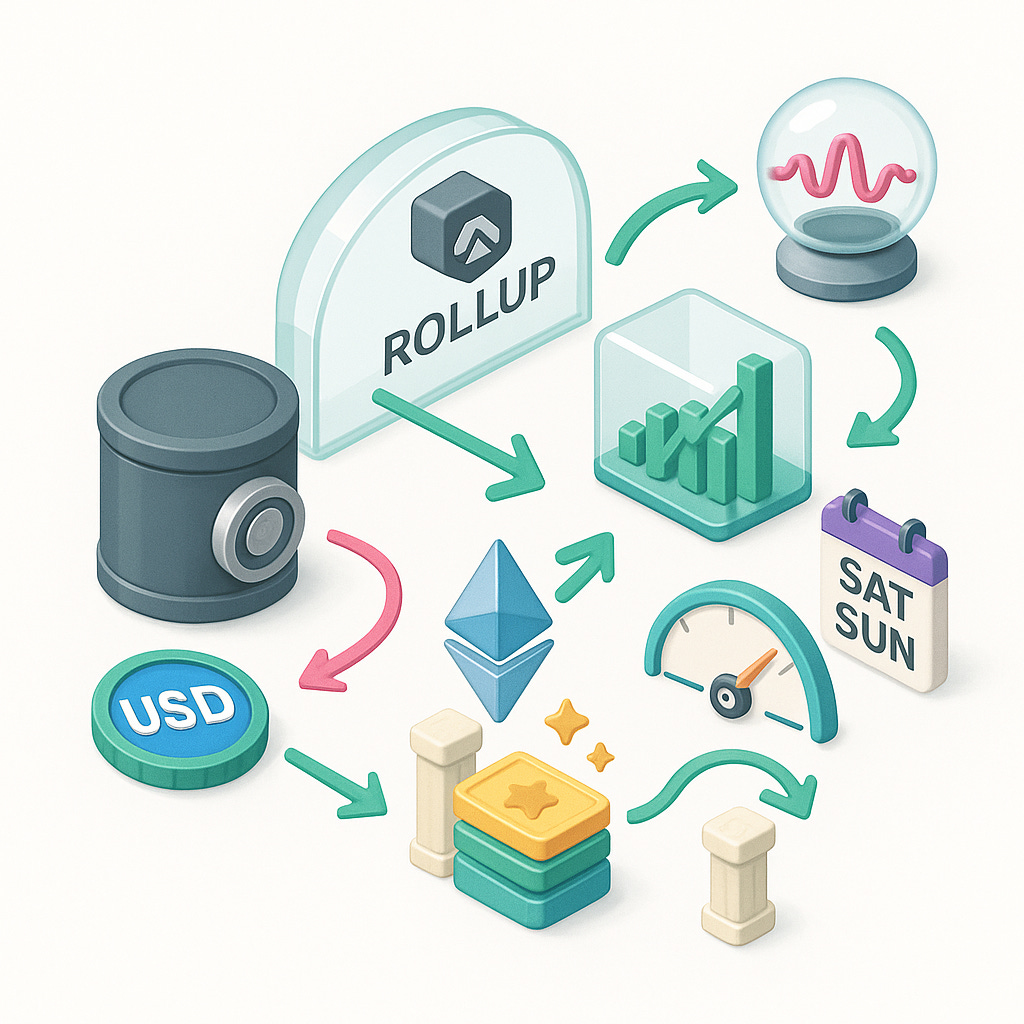
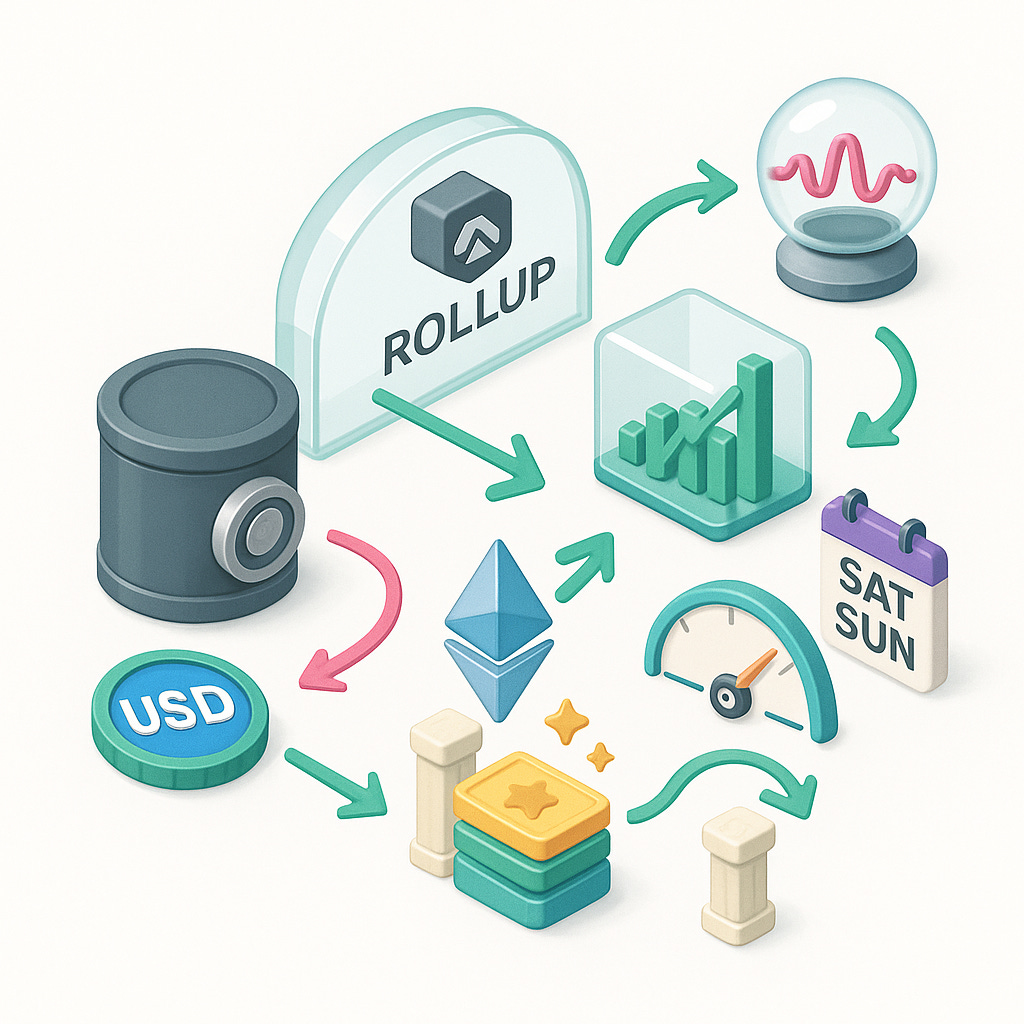
This is the infrastructure we’re building with Monmouth Chain—where stablecoins don’t just sit idle but operate in agentic workflows, bridging the physical payments world I worked in with the on-chain future we’re designing

Closing Thought
A decade ago, the challenge was making sure 60,000 fans could buy beer at halftime without the system crashing. Today, the challenge is ensuring billions of global users can transact trustlessly, instantly, and programmably.
Stablecoins are the stadium hot dog of crypto—ubiquitous, necessary, and deceptively complex to deliver at scale. Agents will be the ones serving them up.
And that’s where the next decade of payments is headed.