 Quincy Labs
Perpetual futures (“perps”) have quietly become DeFi’s killer app. What started as fragile AMM experiments in 2020 has matured into high-performance, self-custodied trading venues that now rival CEXs in speed and depth.
But the story of perps isn’t just about design. It’s also about the environment they grew up in: early generations built under regulatory hostility, today’s leaders thriving in the most pro-crypto administration yet. Both forces—design and regime—explain why perps are surging now.
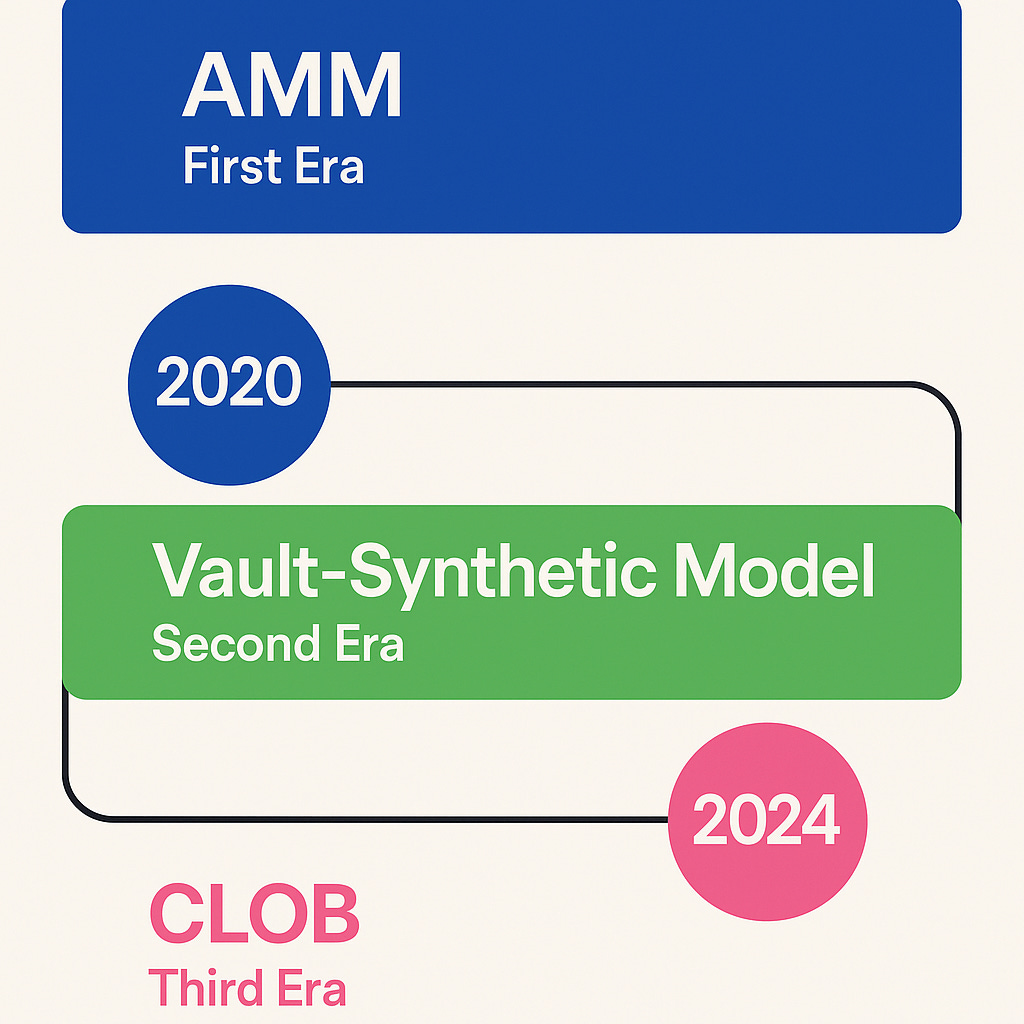
First Generation: DeFi Summer 2020
The earliest on-chain perps—Perpetual Protocol v1, MCDEX, Mango/Drift (Solana), and Synthetix synthetics—proved the concept but carried major limitations.
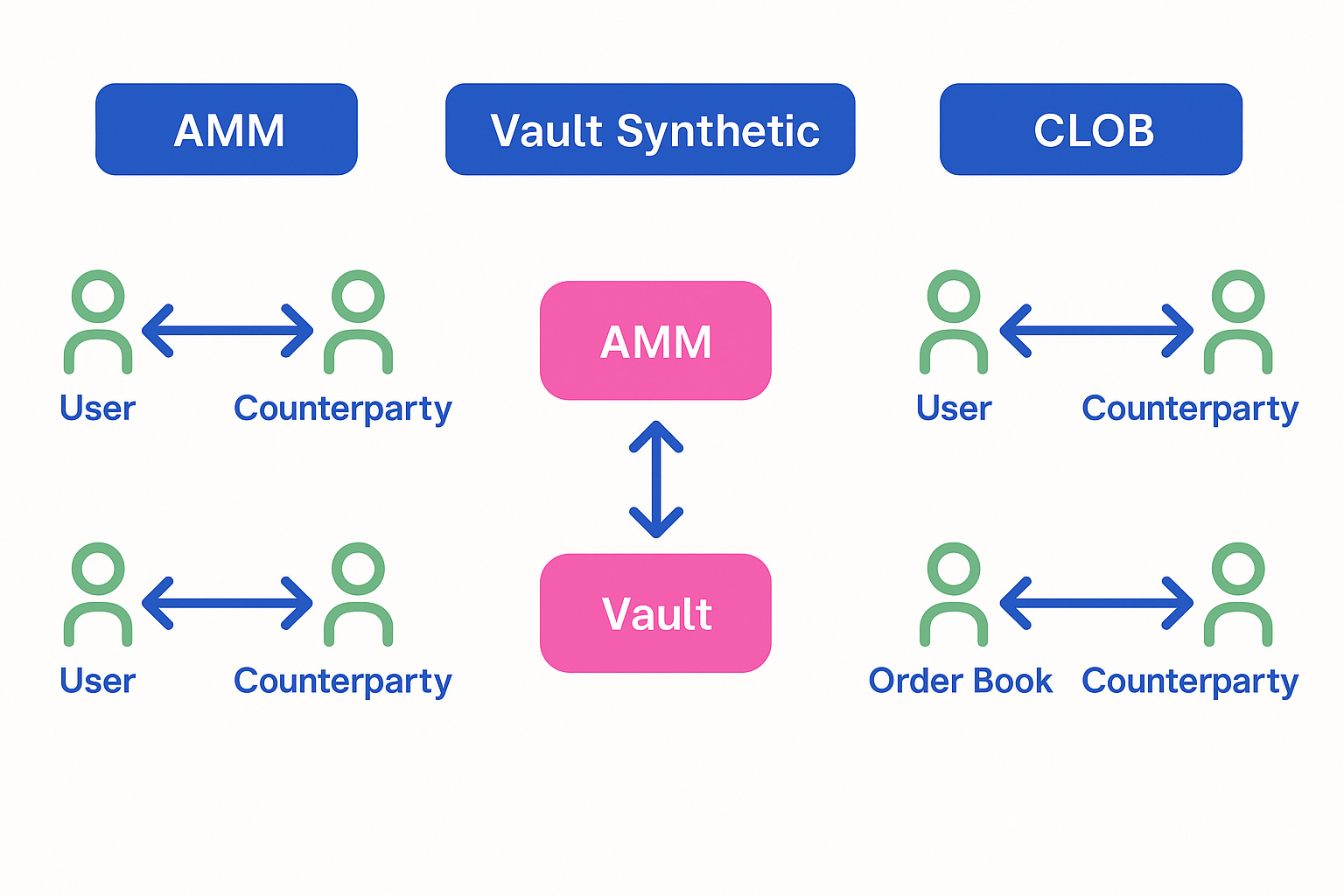
Core traits: vAMM pricing, oracle-driven marks, isolated margin, fragile funding payments.
Strengths: Fully on-chain, permissionless, composable collateral.
Weaknesses: Slippage, oracle risk, poor efficiency, limited markets, inconsistent liquidation systems.
These designs reflected their era. In 2020, crypto faced an adversarial regime: SEC lawsuits, skepticism from Trump-era regulators, and fiat on-ramp friction. Builders avoided anything resembling centralized matching and leaned into permissionless, oracle-heavy designs—even if brittle.
Second Generation: The Vault-Synthetic Model (2021–2022)
GMX’s GLP, Gains Network, Perp v2, and Kwenta/Synthetix Perps v2 marked the next leap. Vaults pooled LP collateral to back synthetic perps, absorbing trader PnL while delivering smoother UX.
Core traits: Vault LPs as counterparties, oracle marks (Chainlink/Pyth), zero-price-impact execution, better liquidations, cross/portfolio margin.
Strengths: Lower slippage, scalable markets, improved risk engines.
Tradeoffs: LPs wore trader PnL volatility, oracle dependency remained, socialized loss risk under stress.
Even as tech improved, the hostile climate persisted: caution on listings, no fiat bridges, conservative compliance. The result was better UX but still under adversarial constraints.
Third Generation: On-Chain CLOBs, Appchains, Aggregators (2024–2025)
Today’s perps look and feel like CEXs. Hyperliquid (dual-VM HyperCore + HyperEVM), dYdX v4 (Cosmos), Aevo, Paradex, Reya, and Solana-native books all deliver high-performance order matching with composability intact.
Core traits: Real on-chain order books, portfolio margin, multi-collateral (including yield-bearing stables/ETH), fast finality, advanced risk engines, unified routing.
Strengths: CEX-grade performance, deep liquidity, transparent matching/liquidations, automation via agents.
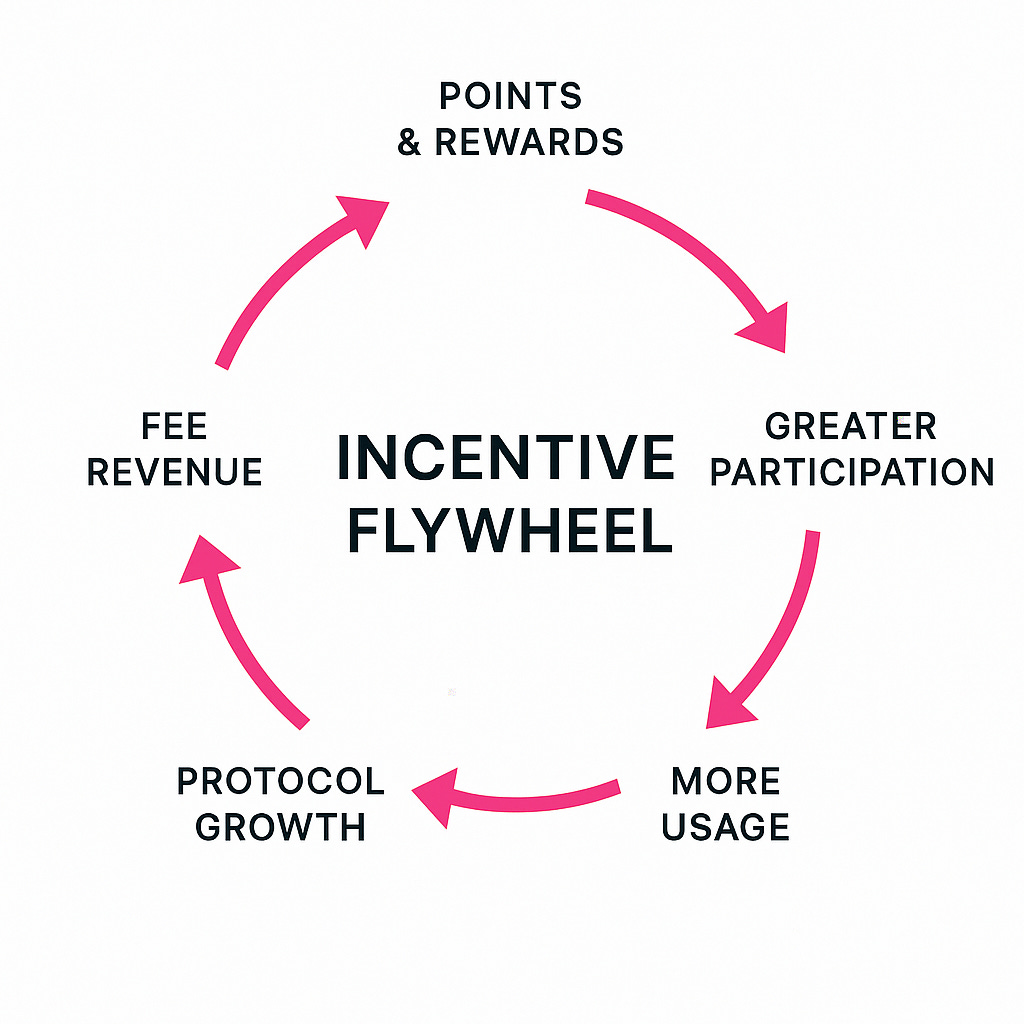
Meta layer: Aggressive points/airdrops, zero-fee campaigns, and integrations with restaking.
The friendlier policy environment amplifies these designs. With regulatory tail risk reduced, market makers and institutions provide liquidity more confidently. Builders feel freer to optimize for performance, not just censorship-resistance.
Would Gen1/Gen2 Have Thrived in a Friendly Regime?
Counterfactually, yes: deeper liquidity, faster hybrid AMM/CLOB iteration, more listings, and tighter oracle integration would have come sooner.
But the adversarial environment forced innovation. It birthed ruggedized, permissionless architectures and transparent liquidation/funding models—primitives that still underpin perps today. The constraints hardened the foundation.
Now, with friendlier conditions, those hardened primitives are being scaled and refined.
Why Perps Are Surging Now
Better engines: Dual-VMs and appchains match CEX latency while keeping on-chain auditability.
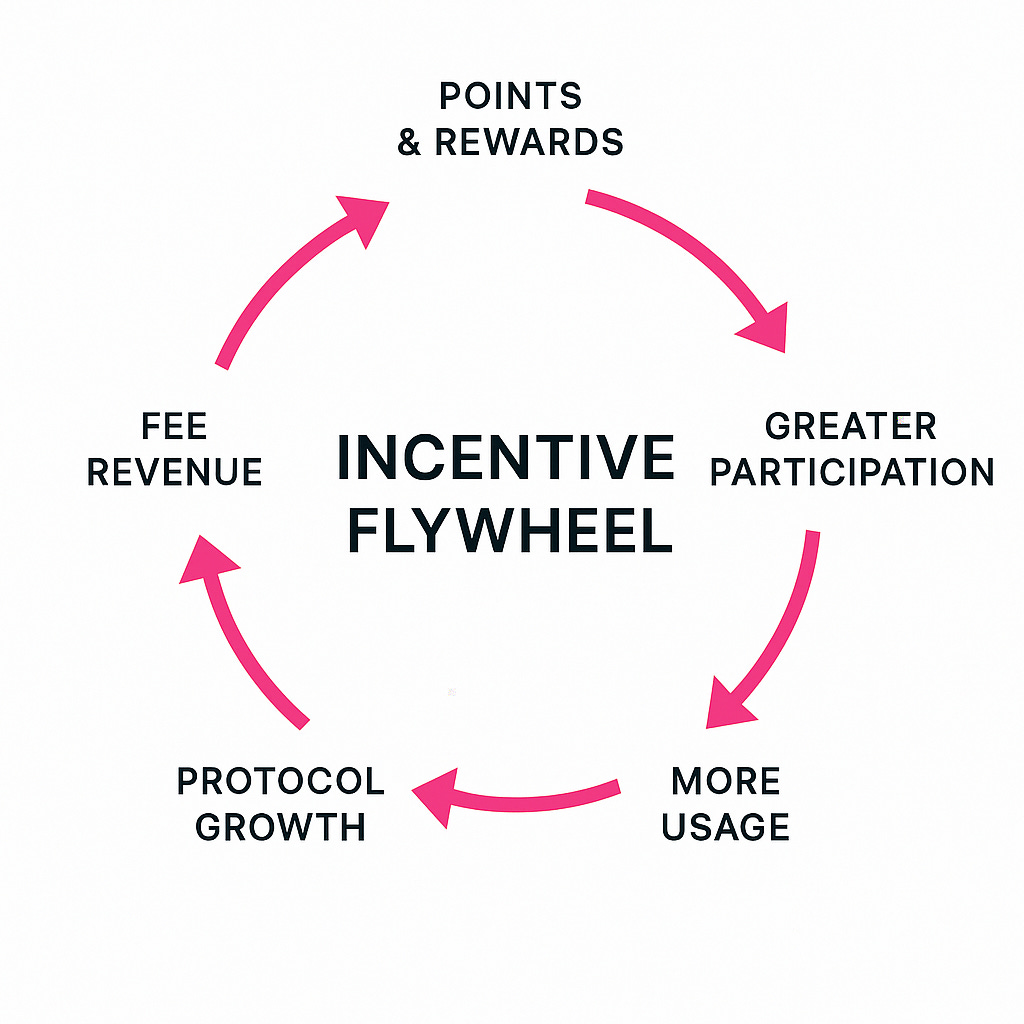
Incentive flywheels: Points, airdrops, and zero-fee seasons align LPs and traders in a growth loop.
Reduced regime drag: Policy tail risk is lower, unlocking capital and market maker participation.
Post-FTX psychology: Self-custody, transparency, and solvency audits resonate with traders.
Composability: Positions plug into lending, restaking, vaults, and automation.
On-Chain Perps vs. CEXs and Options
Custody & Control: Collateral stays in your wallet; no withdrawal freezes.
Auditability: Transparent funding, liquidations, insurance funds, and order flow.
Composability: Strategies and hedges can be automated across DeFi.
Access: Global, fast listings, synthetic RWAs, yield-bearing collateral.
Incentives: Rewards are native, not bolted on.
Options remain superior for convexity and structured risk, but on-chain liquidity and UX still trail perps. Traders often start with perps for leverage and immediacy, then layer options for tail risk.
The Balance Today: Decentralization vs. Performance
The pendulum has swung from “max decentralization at all costs” to a pragmatic balance: credible decentralization plus CEX-grade performance.
Matching engines run fast in isolated environments (HyperCore, appchains).
Programmability, composability, and auditability remain on-chain.
Incentives drive growth without central custodianship.
That balance—hardened in hostility, scaled in friendlier conditions—is why on-chain perps are winning now.
👉 Takeaway: The evolution of perps is both a design story and a regime story. Constraints forged primitives; today’s friendlier climate unlocked scale. Together, they explain why perps aren’t just surviving—but thriving.
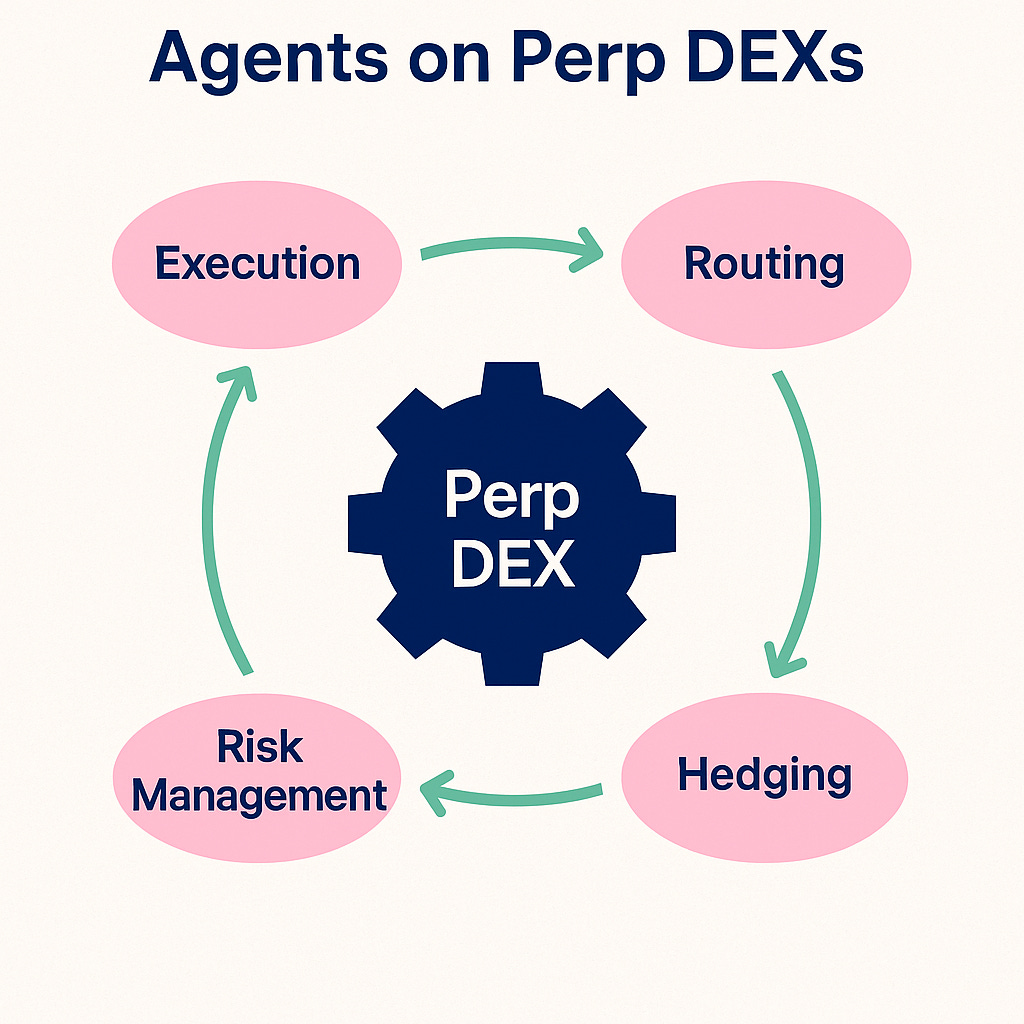
What Comes Next: Agents on Perp DEXs
The next frontier isn’t just faster order books or deeper liquidity—it’s intelligence layered directly into the exchange fabric. At Monmouth, we’re exploring how agentic infrastructure can reshape perps: autonomous agents that manage risk, route orders across venues, hedge collateral, and execute multi-step strategies in real time. Imagine vaults that not only provide liquidity but also learn and adapt; traders who deploy agents to automate funding arbitrage or volatility hedging; and perps where memory, composability, and AI-driven execution are first-class features. Just as the first generations of perps proved you could go on-chain, and the third showed you could match CEX performance, the next wave will prove that intelligent, agent-native perps are the natural evolution of DeFi markets—and that’s the design philosophy guiding Monmouth.